

Innovations in Sustainable Technology and Their Role in the Fight Against Climate Change
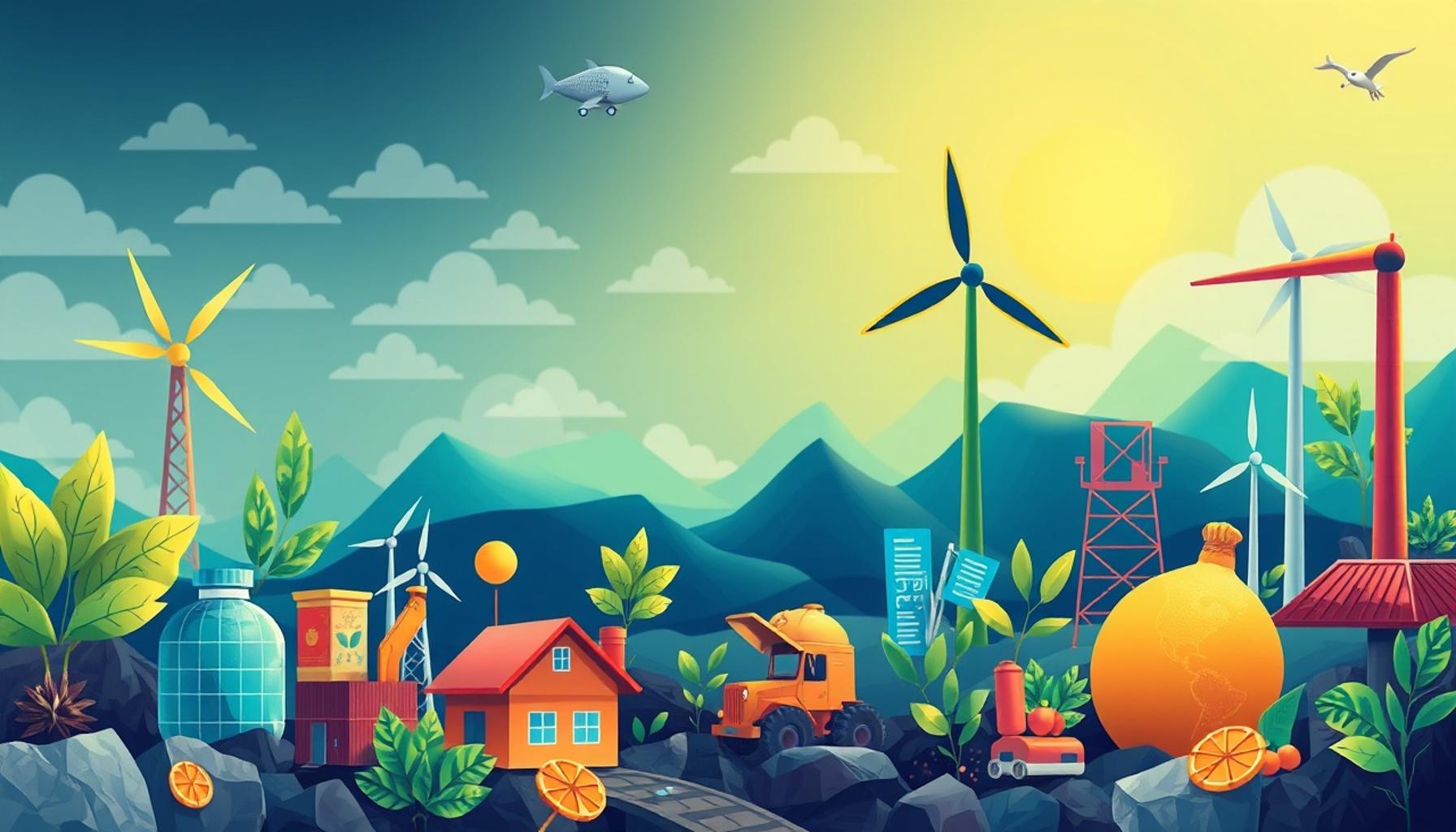
Understanding the Role of Innovative Technologies in Addressing Climate Change
Climate change poses a serious threat to our planet, affecting ecosystems, human health, and economies worldwide. In this context, the emergence of innovative technologies has been crucial in our fight against these pressing challenges. Harnessing these advancements not only helps us to reduce our carbon footprint but also enables the promotion of a sustainable lifestyle that future generations can benefit from. As we delve into some key innovations, we can understand how they contribute significantly to combating climate change.
Renewable Energy Sources
Renewable energy sources, including solar, wind, and hydropower, are revolutionizing the way we produce electricity. For example, the installation of solar panels on residential and commercial rooftops has become a common sight across the United States, leading to a significant decrease in dependence on fossil fuels. Wind farms, particularly in states like Texas and California, harness the natural power of wind to generate large amounts of electricity efficiently. In fact, wind energy accounted for around 8% of U.S. electricity generation in 2020, showcasing its potential as a sustainable energy source. Hydropower, which uses the flow of water to produce electricity, remains one of the oldest yet most effective renewable energy sources, contributing already over 6% of the U.S. electricity supply. These sources collectively enable us to effectively reduce greenhouse gas emissions while ensuring a consistent energy supply.
Energy Storage Systems
Another important innovation is energy storage systems, particularly advanced battery technologies. Traditionally, renewable energy sources like solar and wind are intermittent, meaning their availability can fluctuate based on weather conditions. However, breakthroughs in battery technology, such as lithium-ion batteries, have allowed for the storage of surplus energy generated during peak production times. For instance, during sunny days, excess solar energy can be stored and used during the night when solar power generation ceases. This capability not only improves energy reliability but also facilitates an increase in the share of renewables in the overall energy mix.
Smart Grids
Moreover, the development of smart grids plays a critical role in managing electricity distribution effectively. Smart grids utilize digital technology to monitor energy usage in real-time, allowing for optimal distribution and enhancing energy efficiency. For example, smart thermostats enable consumers to adjust their heating and cooling preferences through their smartphones, ensuring energy is not wasted. This intelligent feedback loop helps in balancing supply and demand, which can reduce the need for additional fossil fuel power plants, thereby lowering overall greenhouse gas emissions.
The Broader Impact of Sustainable Technology Innovations
These innovations serve a dual purpose: they not only reduce greenhouse gas emissions but also promote energy efficiency and encourage responsible consumption patterns. By adopting cleaner technologies, we can break the cycle of reliance on non-renewable energy sources and move toward a cleaner, more sustainable future. For instance, cities that have embraced electric vehicles (EVs) as part of their public transportation systems showcase how technological advancements can lead to decreased emissions and healthier urban environments.
In conclusion, as we harness advancements in renewable energy, energy storage, and smart technologies, we hold the key to creating a sustainable future. By encouraging the adoption of these innovations and supporting policies that promote their growth, we can collectively address the critical challenges of climate change and build a planet that prioritizes sustainability for generations to come.
Advancements in Sustainable Practices
As we pursue effective ways to combat climate change, several innovative technologies stand out, showcasing their immense potential in driving sustainability. Among these, developments in sustainable agriculture, water conservation, and green building technologies are paramount. These advancements not only help mitigate climate change but also enhance food security, conserve natural resources, and improve the overall quality of life.
Sustainable Agriculture
Sustainable agriculture involves practices that aim to meet the needs of the present without compromising the ability of future generations to meet theirs. This includes the use of advanced techniques such as precision farming, which employs technology to monitor crop health and optimize inputs like water, fertilizers, and pesticides. For instance, using drones equipped with sensors allows farmers to gather real-time data on their fields. This data-driven approach leads to better crop yields while minimizing environmental impact, thus effectively reducing greenhouse gas emissions.
Water Conservation Technologies
With water scarcity becoming a pressing concern amid climate change, innovations in water conservation systems are critical. Technologies such as drip irrigation and rainwater harvesting have gained popularity. Drip irrigation delivers water directly to the plant roots, conserving water while maximizing plant growth. Similarly, rainwater harvesting systems capture and store rainwater for agricultural irrigation and household use, significantly easing the burden on local water supplies. According to the U.S. Geological Survey, implementing these techniques can reduce water consumption by up to 50% in comparison to traditional irrigation methods.
Green Building Technologies
As urbanization accelerates, the demand for energy-efficient buildings has surged. Green building technologies not only reduce energy consumption but also promote healthier indoor environments. Key features of green buildings include:
- Energy-efficient materials: Utilizing sustainable materials such as bamboo or reclaimed wood minimizes the carbon footprint from construction.
- Smart lighting: Integrating LED technology and motion sensors significantly reduces electricity usage.
- Natural ventilation: Designing buildings that allow for adequate airflow cuts reliance on air conditioning systems.
According to the U.S. Green Building Council, green buildings can lead to energy savings of 30% to 50% when compared to conventional structures. This not only reduces costs for homeowners and businesses but also helps in decreasing overall greenhouse gas emissions.
Nurturing a Sustainable Future through Technology
The technology behind sustainable agriculture, water conservation, and green building practices represents a transformative approach to addressing climate change. Each advancement provides a pathway toward reducing our environmental footprint while ensuring the preservation of essential resources. By championing these innovations, we move closer to a sustainable future that honors both people and the planet. In this collective effort, it is vital for individuals, businesses, and governments to promote and invest in these breakthroughs, fostering an environment where sustainability thrives.
The Role of Renewable Energy and Waste Management
In the quest for a sustainable future, the integration of renewable energy sources and innovative waste management solutions is essential. By transitioning from fossil fuels and finding effective ways to manage waste, we can significantly reduce our carbon footprint and promote a healthier environment.
Renewable Energy Innovations
One of the most promising developments in fighting climate change is the rise of renewable energy sources, such as solar, wind, and geothermal. For instance, solar energy technologies have seen remarkable advancements through the use of high-efficiency photovoltaic panels. These solar panels not only harness sunlight to generate electricity but have also become more affordable, making them accessible for both residential and commercial users. According to the Solar Energy Industries Association, solar installations in the U.S. have increased by over 200% in the past five years, reflecting a growing commitment to clean energy solutions.
Another pivotal player in renewable energy is wind power. Innovations in turbine design, including larger, more efficient blades and advanced grid integration technologies, have substantially enhanced wind energy production. This growth is essential, as the U.S. Department of Energy reports that onshore wind farms could potentially supply up to 35% of electricity demands by 2050, thereby greatly reducing reliance on traditional energy sources.
Smart Grid Technology
The emergence of smart grid technology has transformed how energy is generated, distributed, and consumed. Through the use of IoT (Internet of Things) connected devices and advanced software, smart grids enable real-time monitoring of energy use, which promotes efficiency. Homeowners can track their energy consumption patterns and adjust usage accordingly, leading to significant energy savings and a reduction in greenhouse gas emissions. Moreover, smart grids facilitate the integration of renewable resources into the energy mix, making it easier to manage variability from sources like solar and wind.
Innovative Waste Management Practices
Effective waste management is another crucial aspect of sustainable technology. Innovative recycling technologies and waste-to-energy systems assist in minimizing landfill waste and converting waste materials into useful energy. For example, anaerobic digestion processes employ microorganisms to break down organic waste, producing biogas that can be captured and used for electricity generation or heating. This technology not only reduces methane emissions—a potent greenhouse gas—but also generates renewable energy.
Additionally, circular economy initiatives are significantly reshaping how we approach waste. By designing products for reuse, recycling, or upcycling, businesses can minimize waste and extend the lifecycle of materials. Companies like IKEA are adopting circular models by pledging to use only renewable or recycled materials in their products by 2030, illustrating how sustainable practices can be integrated into business strategies.
Through the harnessing of renewable energy and the implementation of innovative waste management solutions, we not only reduce harmful emissions but also create sustainable economic opportunities. These advancements fuel our efforts in combating climate change while enhancing energy security and resource conservation.
Conclusion
As we stand at the crossroads of technological advancements and environmental responsibility, innovations in sustainable technology are emerging as powerful tools in our fight against climate change. The integration of renewable energy sources, such as solar and wind, not only offers clean alternatives to fossil fuels but also showcases the potential for efficiency and accessibility. With the rapid advancements in smart grid technology, we can manage energy consumption more intelligently and dynamically, leading to reduced waste and lower emissions.
Furthermore, the evolution of waste management practices, including circular economy initiatives, exemplifies a shift towards sustainability by rethinking resource use. By prioritizing reuse, recycling, and improved waste processing, we are able to diminish environmental impact while generating renewable energy. Companies all over the United States, from local startups to large corporations, are embracing these sustainable practices to not only fulfill their corporate responsibilities but also to offer innovative solutions that resonate with consumers.
Ultimately, the path to a sustainable future depends on our commitment to these innovations and our collective action. By embracing advancements in technology and altering our consumer habits, we can work toward a greener planet. It is essential for individuals, businesses, and governments alike to collaborate in scaling these solutions, guaranteeing that we leave a thriving Earth for future generations. Remember, every step counts, and together we can drive meaningful change in our environment.

Linda Carter
Linda Carter is a writer and expert known for producing clear, engaging, and easy-to-understand content. With solid experience guiding people in achieving their goals, she shares valuable insights and practical guidance. Her mission is to support readers in making informed choices and achieving significant progress.

