

The Future of Augmented and Virtual Reality in Education and Training
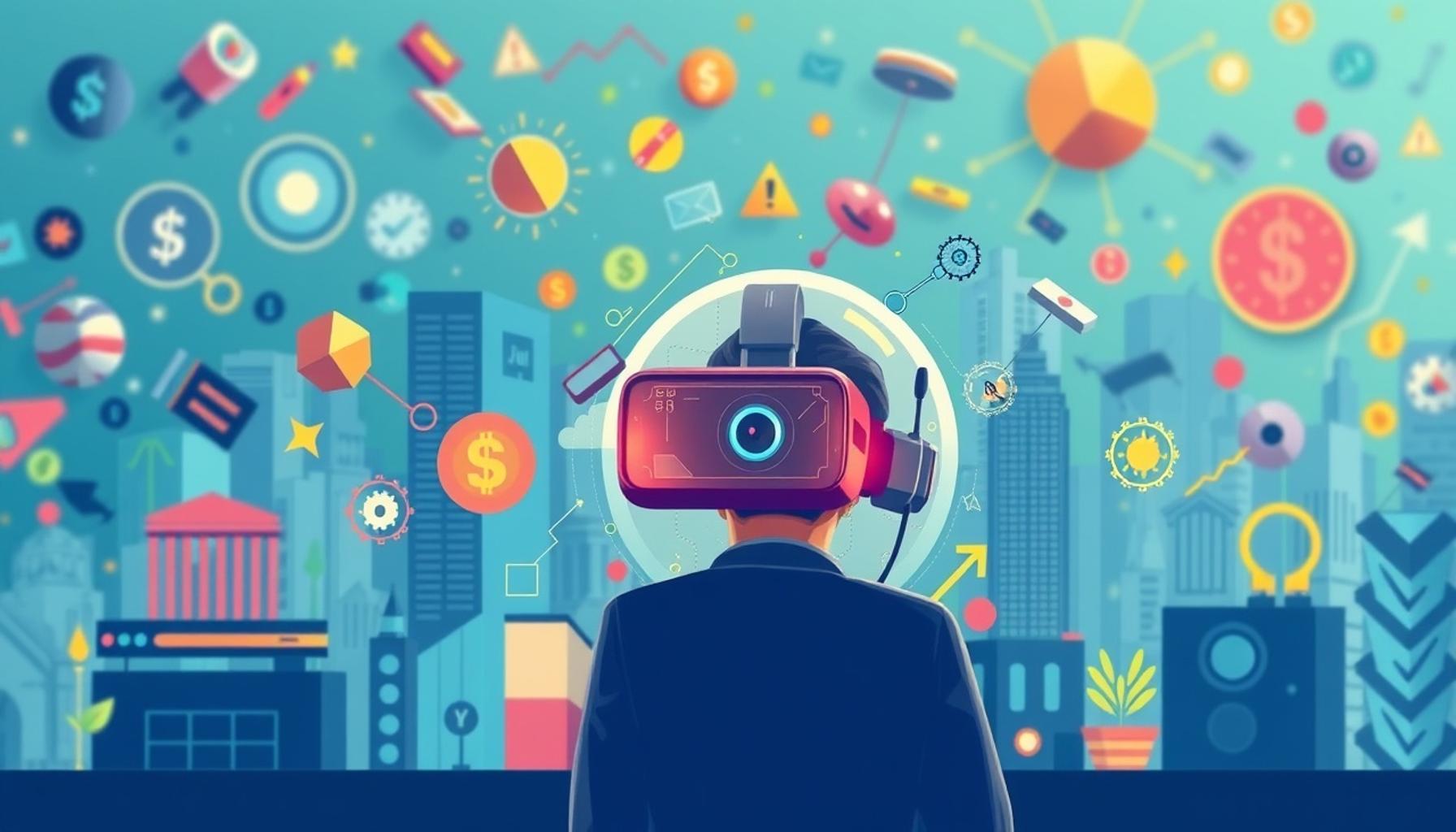
The Impact of Augmented and Virtual Reality in Education
As we delve deeper into the realm of education, it becomes increasingly clear that augmented reality (AR) and virtual reality (VR) stand out as transformative technologies that can redefine traditional educational methodologies. In an age where students often find themselves distracted by the myriad of digital devices, these immersive technologies create engaging experiences that capture attention and stimulate learning.
One of the most significant advantages of AR and VR is interactive learning. Imagine a classroom where students studying biology can interact with 3D models of the human body. This allows them to explore intricate details such as the circulatory or muscular systems from various angles. Rather than simply memorizing text from a textbook, students can visualize and manipulate these structures, leading to a more profound understanding of complex concepts.
Real-world simulations represent another critical benefit of these technologies. For example, in medical training, VR can be employed to simulate surgical procedures, providing trainees with the opportunity to practice and hone their skills in a risk-free environment. This realistic setting not only builds confidence but also ensures that healthcare professionals are well-prepared for actual surgeries. Similarly, VR training modules can prepare employees in industries such as firefighting or emergency response, allowing them to navigate dangerous scenarios without any real-life consequences.
Moreover, accessibility is a vital aspect of AR and VR integration into education. Online platforms utilizing these technologies enable students to access learning materials from anywhere in the world. This flexibility is particularly beneficial for students in remote areas or those with disabilities who might face challenges in conventional educational settings. For example, a student with mobility issues can participate in a virtual field trip to a historical site or a science lab, providing enriching experiences that might otherwise be inaccessible.
The integration of AR and VR into education is not without its challenges, such as cost and the need for technical training for educators. Yet, tackling these obstacles can lead to innovative learning solutions. Embracing these immersive technologies signifies a step towards not just keeping pace with technological advancements but also revolutionizing the way knowledge is disseminated and retained.
In conclusion, the potential of AR and VR in education is immense. As educators and institutions explore these tools further, they will uncover new possibilities for engaging learners, enhancing educational outcomes, and preparing students for a rapidly evolving future.
Exploring Augmented Reality and Virtual Reality in the Classroom
The integration of augmented reality (AR) and virtual reality (VR) into educational settings fosters an engaging learning environment that enhances student participation and understanding. Let’s delve deeper into how these technologies can reshape not only the way students learn but also the teaching methods employed by educators.
One of the most engaging applications of AR in education is through its use in lesson enhancement. For instance, with AR applications, a science teacher can bring the solar system to life right in the classroom. Using a smartphone or tablet, students can view 3D models of planets orbiting around a virtual sun, allowing them to visually grasp concepts such as gravity, distance, and planetary motion. This interactive experience, where students can tap on different planets to learn more about their features, can facilitate a deeper understanding compared to traditional lecture-based learning.
Virtual field trips exemplify another innovative use of AR and VR that broadens the scope and reach of educational experiences. Imagine students in a history class being transported to landmarks such as the Great Wall of China or the ancient ruins of Machu Picchu without leaving their desks. This not only piques their interest but also encourages them to connect more personally with historical events and cultures. Teachers can lead discussions about significant moments in history while students explore these sites virtually, fostering an environment in which learning becomes an adventure.
In addition to AR, the impact of VR-based training modules is considerable across various disciplines. Consider a law enforcement training program that employs VR to simulate real-life situations such as traffic stops or crowd management during events. Trainees can practice decision-making in high-pressure scenarios, which ultimately prepares them for the nuances of working in the field. The advantage here is that they can learn from their mistakes in a safe space, building their confidence and decision-making skills before they enter real-life situations.
To further illustrate the potential of AR and VR in training, let’s examine a list of benefits that these technologies offer:
- Enhanced Storytelling: Both AR and VR can enrich narratives through interactive elements, making subjects like literature and history resonate more deeply with students.
- Culturally Inclusive Learning: Students can virtually experience different cultural settings or interact with diverse communities, fostering empathy and global awareness.
- Collaboration Opportunities: These technologies facilitate group activities and collaborative projects, allowing students to work together in virtual spaces, thus enhancing teamwork skills.
As we explore the future of AR and VR in education, it is essential to recognize that the successful integration of these technologies requires thoughtful planning and execution. Teachers must be trained not only to use the devices but also to integrate them into lesson plans effectively. Ultimately, the potential benefits of AR and VR in shaping the future of education are profound, paving the way for more immersive, interactive, and meaningful learning experiences.
Bridging Gaps with Augmented and Virtual Reality
In addition to enhancing classroom experiences, augmented reality (AR) and virtual reality (VR) represent powerful tools in addressing educational disparities and providing tailored learning experiences. These technologies can bridge gaps caused by geographical limitations, varying resource availability, and differences in educational standards across regions.
For instance, rural schools often struggle to provide specialized courses or access to advanced science labs due to limited funds or resources. With AR and VR capabilities, students can access high-quality simulations and interactive lessons from anywhere. Imagine a student in a small town participating in a virtual chemistry lab that allows them to conduct experiments that would otherwise be impossible in under-resourced schools. This access not only levels the playing field but also keeps students engaged and excited about learning.
Furthermore, AR and VR have the potential to support differentiated learning. Each student learns in their unique way, and these technologies present opportunities for customization. Consider a classroom where students can choose their learning paths; some might prefer immersive simulations for physical education, while others could benefit more from AR-enhanced reading assignments that provide visual aids and context. Teachers can provide individualized attention remotely, ensuring each student’s needs are met while strengthening the overall learning outcomes.
Real-World Applications in Vocational Training
Vocational education can also reap enormous benefits from AR and VR. These technologies can emulate real-life work environments, providing learners with the hands-on experience needed to thrive in their future careers. Medical training offers a prime example of how VR can enhance skills practice. Medical students can practice intricate surgeries or patient interactions in a simulated environment that mimics reality, allowing them to develop proficiency without the immediate risks associated with real patients.
Similarly, industries requiring manual labor, like construction or manufacturing, can utilize AR for on-the-job training. By using AR glasses or devices, workers can see superimposed instructions or safety guidelines while performing tasks onsite. This approach not only minimizes mistakes but also aids in compliance with safety regulations, ultimately promoting a safer workplace.
The Role of Gamification
Gamification is another exciting trend intertwined with AR and VR in education. Using game-like elements can significantly increase student motivation and engagement. For instance, a biology class might transform into an adventure game where students earn points for correctly identifying plant species through AR apps during outdoor excursions. By fostering a playful learning atmosphere, educators can make complex or traditionally dry subjects much more appealing and relatable.
The incorporation of competition and rewards systems can also propel learners to push their limits and embrace challenges. With VR, educators can set up scenarios where students must solve problems to advance to the next level. This not only encourages critical thinking but also promotes teamwork, as students may need to collaborate in order to succeed in completing challenges.
Ultimately, the keys to unlocking the full potential of AR and VR in education lay in comprehensive training for educators and a commitment to continually integrating technological advancements into the curriculum. By embracing these innovative approaches, schools can create dynamic environments that not only prepare students for the future but inspire a lifelong love of learning.
Conclusion
As we look towards the future, the integration of augmented reality (AR) and virtual reality (VR) in education and training holds tremendous promise for transforming the learning landscape. These technologies not only engage students in innovative ways but also address critical challenges such as educational equity and differentiated learning. By bringing immersive, interactive experiences to learners, AR and VR can transcend geographical boundaries, allowing students from diverse backgrounds access to high-quality education that was once out of reach.
Moreover, in vocational training, AR and VR are reshaping how practical skills are taught, enabling students to experience realistic scenarios in a safe environment. This hands-on approach enhances learner confidence and competence, ultimately preparing them better for the demands of the workforce. The gamification aspects of these technologies further enhance student motivation, promoting a culture of teamwork, critical thinking, and problem-solving.
However, to fully harness the potential of AR and VR, it is essential for educators to undergo proper training and for schools to embrace continuous technological integration within curricula. By doing so, we can create enriching educational environments that not only prepare students for future challenges but also inspire a lasting enthusiasm for learning. As we stand at this exciting intersection of technology and education, it is clear that the future of AR and VR has the power to redefine how we teach, learn, and interact in the classroom and beyond.

Linda Carter
Linda Carter is a writer and expert known for producing clear, engaging, and easy-to-understand content. With solid experience guiding people in achieving their goals, she shares valuable insights and practical guidance. Her mission is to support readers in making informed choices and achieving significant progress.


