

The influence of social media on the mobilization of social movements and cultural change
Understanding Social Media’s Role in Social Movements
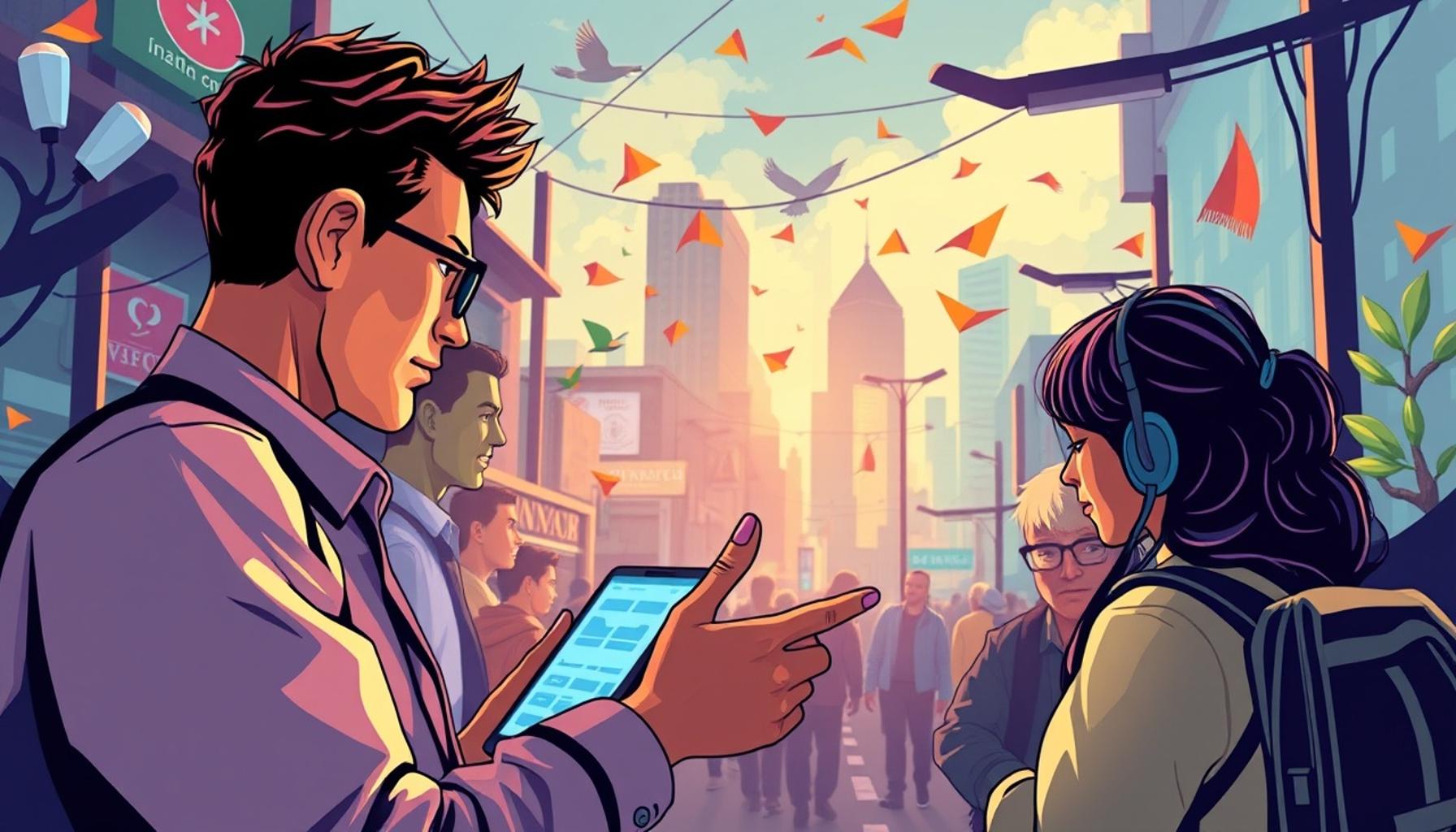
In today’s digital age, social media has become a powerful tool for driving social movements and fostering cultural change. Platforms like Twitter, Facebook, and Instagram enable individuals to connect, share stories, and mobilize support for various causes instantaneously. This shift has transformed how social movements operate and expand their reach, leading to unprecedented levels of engagement and awareness around pressing social issues.
One of the most significant features of social media’s influence is its ability for rapid information dissemination. Traditional media often filters news through certain channels, limiting access. In contrast, social media allows messages to spread quickly, reaching millions in a matter of hours. For instance, during the Ferguson protests in 2014, images and videos shared on Twitter and Facebook highlighted the protests and police response, garnering national attention and sparking conversations about systemic racism.
Another crucial aspect is community building. Social media platforms enable activists to form communities across geographical boundaries, bringing together individuals who may never have met otherwise. These online spaces facilitate discussions, create solidarity, and encourage collective action. An example is the LGBTQ+ community, which has utilized social media to rally support for marriage equality and now fights for broader rights, fostering connections that transcend local limits.
Engagement and participation are also enhanced through social media, where users can engage with movements through likes, shares, and comments, amplifying their involvement. For instance, the #IceBucketChallenge engaged millions in raising awareness about ALS (Amyotrophic Lateral Sclerosis) and encouraged substantial donations for research. Participants not only spread the message widely but also involved their networks in a fun and impactful way.
Many social movements have used social media effectively to catalyze societal change:
- Black Lives Matter: This movement has utilized hashtag campaigns to raise awareness about racial injustice and police brutality. The power of social media was evident as videos of incidents sparked outrage and led to nationwide protests.
- #MeToo: This campaign empowered individuals to share personal experiences of sexual harassment and assault, creating a dialogue about these issues that were often silenced. This online solidarity led to real-world consequences, prompting policy changes in workplaces across America.
- Climate Strikes: Initiatives led by young activists, like Greta Thunberg, have mobilized global youth protests demanding climate action, often organized through social media. These events have united thousands towards a common cause, influencing global climate policies.
Understanding the role of social media in these movements is crucial. It not only reflects changes in society but also actively shapes new cultural narratives. Social media acts as a megaphone for voices that may have been marginalized, offering a platform for discussion that can lead to real change. As we explore this topic further, we will uncover how these digital platforms are empowering voices and reshaping societal norms, ultimately facilitating a more participatory culture in activist movements.
The Mechanics of Mobilization Through Social Media
Understanding how social media mobilizes social movements requires a deep dive into its mechanics. The very nature of these platforms encourages activism by lowering the barriers to entry for participation. Anyone with internet access can engage with content, share ideas, and initiate discussions, democratizing the process of activism. This ease of access has resulted in a culture where individuals feel empowered to express their opinions and support various causes.
One key element is the concept of hashtag activism. Hashtags allow users to categorize content, making it easily searchable and shareable. For instance, the hashtag #BlackLivesMatter ignited discussions about racial inequality and police violence, creating a collective online voice that transcended individual locations. This categorization not only encourages broad participation but also helps trap attention during critical moments, leading to significant societal impacts. As discussed at the beginning, the Ferguson protests are a prime example of how hashtags have been used to unify messages around a common cause.
Viral content is another vital component of social media mobilization. Posts that resonate emotionally—whether through compelling visuals, poignant storytelling, or witty humor—have the potential to go viral, reaching unexpected audiences. An example of this can be seen in the viral video of a protestor being interviewed during a demonstration. The raw emotions portrayed captured the empathy of viewers, leading to increased awareness of the issues at hand. This kind of content can catalyze movements almost overnight, highlighting the shifting dynamics in how movements can gain traction.
- Citizen Journalism: Social media has empowered everyday individuals to become citizen journalists. This shift is significant as people can share firsthand accounts of injustices, bringing attention to issues often overlooked by mainstream media. For example, during the 2020 protests surrounding George Floyd’s death, countless videos taken by bystanders were shared online, forcing the public to confront the reality of systemic racism and police violence.
- Real-Time Updates: Social media provides immediate updates, which is crucial during rapidly evolving events. Protestors can use platforms to share safe routes, gather support, or even document experiences live. For instance, during climate strikes led by young activists, organizers used social media to coordinate actions and maintain momentum, ensuring everyone was on the same page.
- Solidarity Across Borders: Many social movements have benefited from international solidarity, spurred by social media platforms that connect individuals globally. Causes like the fight against climate change or women’s rights are bolstered by shared experiences and collective action, reminding us that local sentiments resonate on a global scale.
The multifaceted mechanics of social media foster an environment where swift mobilization is not just possible but encouraged. As we explore these dynamics, it becomes apparent that social media is more than just a platform for discussion; it is an intrinsic part of the fabric of modern activism, shaping how cultural narratives are constructed and challenged. Through its mechanisms, social media allows for voices to be amplified, creating a vibrant, interconnected community focused on enacting change.
The Role of Influencers and Digital Connectivity
In addition to grassroots movements facilitated by social media, the role of influencers cannot be overlooked. Social media influencers, individuals who have gained large followings on platforms like Instagram, Twitter, and TikTok, wield significant power in shaping public opinion. Their ability to engage and mobilize followers can lead to impactful social change. For instance, in 2019, the online campaign #SIPandSlay featured influencers promoting awareness about plastic pollution, encouraging their followers to engage in sustainable practices. When a trusted figure encourages action, their followers are more likely to respond, illustrating how influencer culture can drive social movements effectively.
Another essential aspect is the enhanced digital connectivity that social media provides. The ability to collaborate across geographical boundaries has redefined how social movements operate. Activists from different parts of the world can share strategies, resources, and experiences, thereby learning from one another. During the global climate strikes initiated by young activists, local groups were able to organize simultaneous events across multiple countries, all stemming from online discussions initiated through platforms like Facebook and Twitter. This not only amplifies local actions but also conveys a united front on global issues, showcasing the power of digital connectivity.
- Decentralization of Leadership: Traditional social movements often relied on a hierarchical structure for decision-making and mobilization. In contrast, social media facilitates a decentralized approach, enabling participants to take action without waiting for directives from a specific leader or organization. This shift allows movements to be more agile and responsive to current events. During the Women’s March in 2017, for example, a diverse group of leaders and everyday participants organized a response that quickly spread to cities across the United States, all through social media platforms.
- Engagement with Cultural Change: Social media not only mobilizes action but also serves as a catalyst for cultural change. Through memes, narratives, and creative content, users are continuously redefining societal norms. For example, the #MeToo movement gained traction through storytelling on social media as individuals shared personal experiences of sexual harassment and assault. This collective sharing not only raised awareness but also shifted cultural perceptions, making conversations about consent and gender dynamics prevalent in everyday discourse.
- Algorithmic Influence: The algorithms used by social media platforms can significantly impact the visibility of content related to social movements. Posts that receive high engagement are often promoted more broadly, allowing critical messages to reach larger audiences. However, while algorithms can serve as a tool for amplification, they also present challenges, as content may be filtered or suppressed based on political or commercial interests. Understanding how these algorithms work is key for activists seeking to maximize their reach and effectiveness.
As we analyze the critical inputs provided by influencers and the capability for digital connectivity, it becomes increasingly clear that social media’s role extends far beyond mere interaction. It shapes the social landscape, providing the tools and structures necessary for movements to flourish and evolve, deeply impacting cultural change on both local and global scales. By leveraging these resources, activists can engage broader communities, ensuring that vital issues remain at the forefront of public consciousness. Through social media, the mobilization of social movements becomes an expansive and dynamic process, continuously informed by changing narratives and collective action.
Conclusion
In conclusion, the influence of social media on the mobilization of social movements and the facilitation of cultural change is profound and multifaceted. The emergence of platforms like Twitter, Facebook, and Instagram has transformed the landscape of activism, allowing voices that were previously muted to be amplified and heard. The power of influencers in shaping discourse and driving action has introduced a new dynamic, where everyday users are mobilized to join causes they feel passionate about, thereby enlarging the scope and impact of social movements.
Additionally, the decentralization of leadership enabled by social media allows for more inclusive participation, giving individuals the agency to organize and mobilize quickly and effectively. This attribute was key during major events such as the Women’s March, illustrating how grassroots efforts can be coordinated on a massive scale without traditional hierarchies. Moreover, social media serves as a catalyst for cultural change, reshaping societal norms and values through collective storytelling and shared experiences. Movements like #MeToo exemplify how personal narratives can ignite widespread cultural discussions, fostering a shift in public perception around critical issues.
Despite these advantages, it is essential to navigate the challenges posed by algorithmic influence, whereby content visibility can be manipulated based on various interests. Activists must remain vigilant in understanding these tools to ensure their messages are not only heard but also resonate widely across diverse audiences. Ultimately, the role of social media in social movements and cultural transformation underscores our interconnectedness, providing vibrant platforms for collaboration, dialogue, and meaningful action in an increasingly complex world. By harnessing social media’s potential, we can continue to advocate for change, challenge injustices, and pave the way for a more equitable society.

Linda Carter
Linda Carter is a writer and expert known for producing clear, engaging, and easy-to-understand content. With solid experience guiding people in achieving their goals, she shares valuable insights and practical guidance. Her mission is to support readers in making informed choices and achieving significant progress.


